What is the difference between greaseproof and wax paper?
Greaseproof paper is plain paper with nothing added. The fibres are beaten until they lie so close together that oil cannot find a route through, and the sheet gets its slightly glassy look from that density alone.
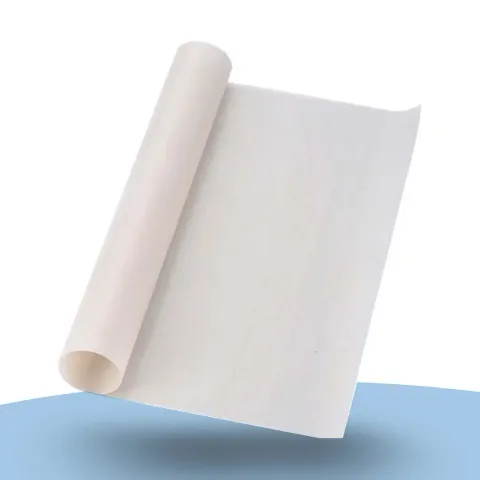
Wax paper starts as a lighter base sheet and then takes a coating. Dry wax is pressed into the fibres; paraffin sits as a visible layer on the surface. Both give a soft sheen and a slippery feel that uncoated greaseproof never has.
The quickest test is a fingernail. Scratch a wax sheet and you lift a faint line of coating. Scratch greaseproof and nothing comes away.
Keep one more pair apart in your head: greaseproof and baking parchment. Parchment carries a silicone release layer for the oven. Greaseproof holds grease back and copes with oven heat, but it has no non-stick release of its own.
Both sheets are sold by the thousand and both take print, so the choice is never about what we can supply. It is about what the food does to the paper in the first ten minutes after it is wrapped.
Which sheet survives a heat lamp or a hot pass?
A chip shop pass runs hot for the whole of service. Oven-safe greaseproof grades go to about 200°C (typical), so a portion of chips or a pie can sit under the lamps without the paper changing. Dry wax softens at about 80°C and paraffin at about 60°C. Put either under a lamp and the coating goes tacky, then transfers to the bun or the chip.
That is the one rule most buyers need. Food that is held hot takes greaseproof. Wax belongs where the food is already cool, or is handed over and eaten within minutes.
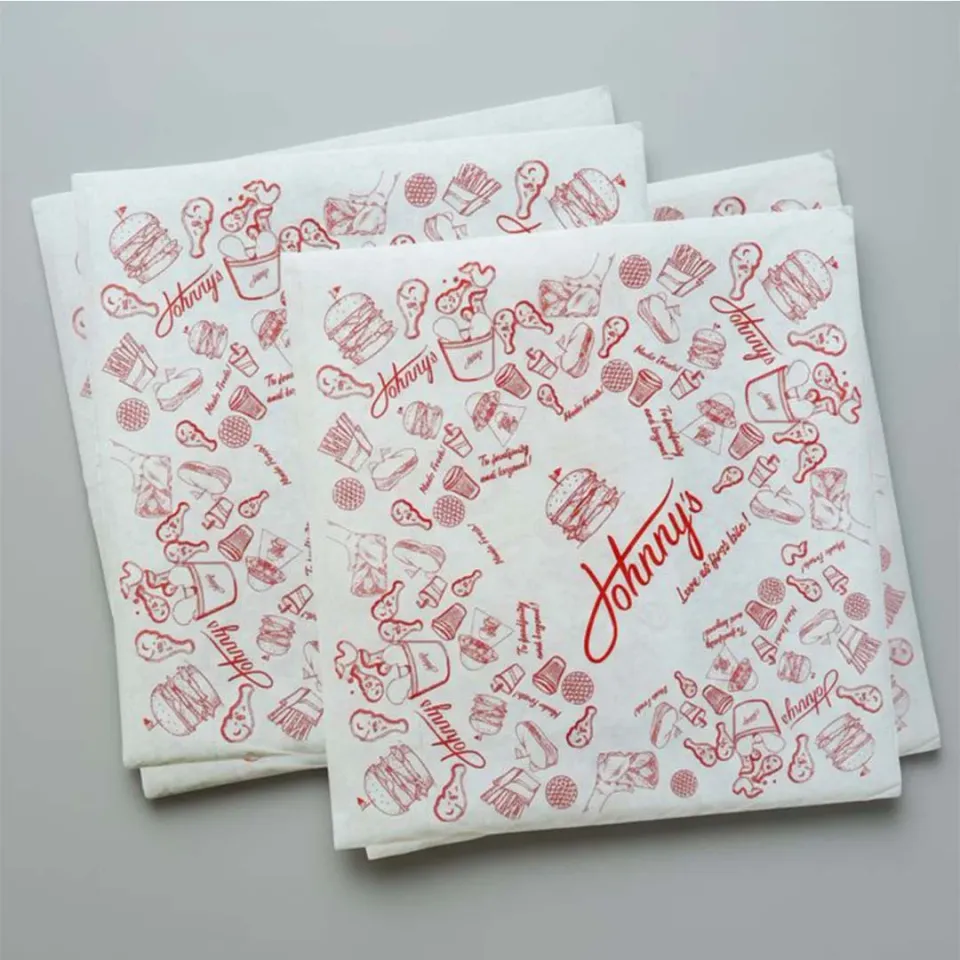
A burger wrapped at the grill and eaten in the car is a middle case. The sheet sees heat for five minutes, not an hour. Most burger bars still pick greaseproof because the ink and the sheet stay exactly as printed, and a printed burger wrap for the grill folds tighter than a coated sheet.
Grease hold-out on chips, fried chicken and pasties
Both sheets stop oil, but they do it in different ways. Greaseproof slows it with density; a heavy portion of chips will show a faint shadow at the fold after twenty minutes, and that is normal. Wax blocks oil with the coating, so a cold sausage roll on wax paper leaves no mark at all.
The catch is temperature again. Hot fat is thinner and moves faster, and it softens a wax coating from the inside. Fried chicken straight from the fryer on paraffin paper gives you a greasy, limp sheet in minutes.
For hot fried food, the weight of the greaseproof does the work. Go up a grade for chicken and pasties and down a grade for a lighter sandwich; the guide to which gsm suits fried food covers the grades.
Pasties are the odd one out. The pastry holds most of the fat inside, so a 40 gsm greaseproof sheet copes with a warm pasty for an hour, and a cold pasty is happy on either paper.
Does wax paper keep a sandwich fresher than greaseproof?
Yes, for a cold sandwich in a chilled cabinet. The coating slows moisture leaving the bread, so a wrapped bloomer is still soft at lunchtime. Greaseproof lets water vapour pass more freely, which is exactly what hot food wants: steam gets out and chips do not go limp.
Deli counters use this both ways. Cheese is cut and wrapped in wax paper so the wedge does not dry out, and the sheet does not grip a soft rind. A hot pork bap goes in greaseproof so the crackling stays crisp on the walk back to the office.
If your menu is mostly cold and chilled, wax paper earns its place. If it is mostly hot, greaseproof does. Many shops run both, and the wax and paraffin paper range covers the cold side.
Greaseproof and baking parchment are not the same sheet
Bakers often ask for greaseproof when they mean parchment, and the other way round. Parchment is silicone-coated so a bake releases. Greaseproof is uncoated and grease-resistant. A Victoria sponge lifts cleanly off parchment; it may grip plain greaseproof at the edges.
For a liner that goes in the oven or an air fryer basket, ask for an oven-safe greaseproof grade and say what you cook on it. Roast potatoes, chips and wings are fine. A sticky sugar glaze or a cheese-topped bake wants a release layer, so tell us and we will say so on the quote.
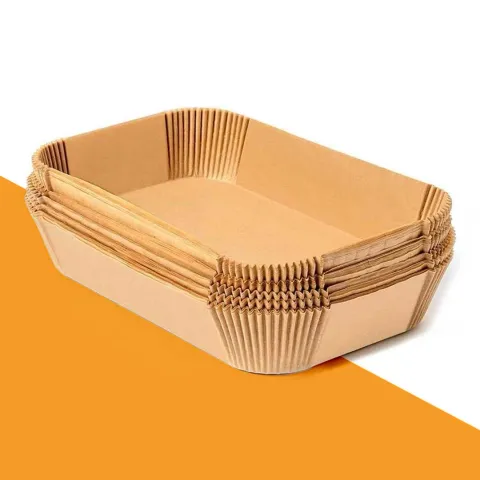
The same logic applies to a loaf tin. Bread with a dry crust lifts out of a greaseproof liner. A malt loaf or a treacle-heavy tea bread is a stickier customer, and a pre-cut tray and air fryer liner is only the right pick when the food lets go.
Greaseproof versus wax paper side by side
The table below puts the usual trade figures next to each other. Treat them as typical rather than promises, because the base sheet, the weight and the coating all move the numbers a little.
| Property | Greaseproof | Dry wax | Paraffin |
|---|
| Coating | None | Wax pressed into the fibre | Wax layer on the surface |
|---|
| Heat ceiling | About 200°C on oven-safe grades | About 80°C | About 60°C |
|---|
| Grease hold-out when hot | Good, improves with weight | Fails as the wax softens | Fails quickly |
|---|
| Moisture barrier | Low, lets steam out | Moderate | Good |
|---|
| Feel | Dry, slightly crisp | Soft sheen | Slippery, visible shine |
|---|
| Print | Ink dries into the fibre | Printed before coating | Printed before coating |
|---|
| Typical weight | 30 to 60 gsm | 30 to 45 gsm plus wax | 30 to 40 gsm plus wax |
|---|
Notice that the hot column is almost entirely greaseproof. Moisture is the only line where a coated sheet wins outright.
Which paper for which counter
Here is how the choice tends to fall across the trades that order from us most. Your menu may break the pattern, and that is fine; the point is to see the logic.
- Chip shop: greaseproof for every portion, because everything leaves the pass hot.
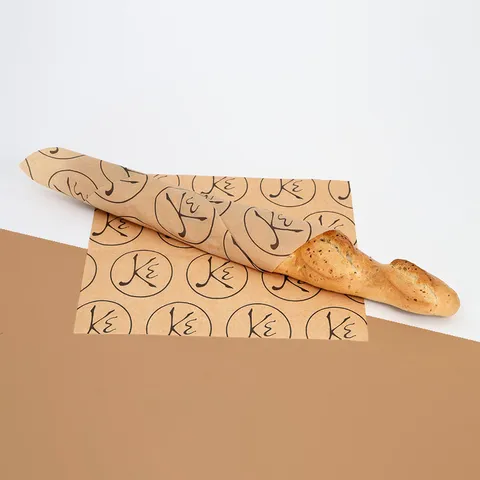
- Burger bar or van: greaseproof wrap, printed on kraft or white, folded at the grill.
- Sandwich shop: wax paper for the chilled cabinet, greaseproof for hot baps and toasties.
- Bakery: greaseproof under hot pies and sausage rolls, wax around flapjack and sticky traybakes.
- Butcher: wax or paraffin for cooked meats over the counter, and coated freezer paper for joints going into the chest freezer.
- Deli and cheese shop: wax paper so a wedge keeps its moisture and the rind stays clean.
- Street food trader: greaseproof almost every time, because nothing on the stall is served cold.
If a counter sells both hot pasties and cold pork pies, the honest answer is two papers, and a single quote can cover both.
How does print differ on greaseproof and wax paper?
On greaseproof the ink goes into the fibre and dries matte. On wax paper the sheet is printed before the coating goes on, so the colour sits under a thin sheen. Both take food-safe soy and water-based inks in one to four colours with Pantone solid-coated matches.
Kraft greaseproof shifts colour: a bright blue goes a shade darker and a pale yellow all but disappears. White stock shows the Pantone as you expect. Wax paper is nearly always white or natural, so the colour question is simpler there.
One honest note on wax: a heavy flood of ink can get in the way of the coating. A small repeated logo prints better than a solid block. The page on how printed greaseproof is made goes into inks and artwork in detail.
Five questions to settle before you order
Work through these in order and the choice usually makes itself.
- Is the food hot when it meets the paper, and for how long does it stay hot?
- Is it fried, sticky or wet, and will the fat be moving when it is wrapped?
- Does it need to keep its moisture, like cheese or a sandwich, or keep its crunch, like chips?
- Will the sheet be a wrap, a liner, a divider or a bag?
- What should the counter look like: kraft with one colour, or white with your full palette?
Answer those five and the quote form almost fills itself. Send your sizes and the item each sheet will wrap through the greaseproof paper quote form and you will have a written price within one working day.